

Virtual Try-On Statistics: Data-Driven Insights into AI Fashion Technology Impact
Discover key virtual try-on statistics: 64% conversion increase, 40% return reduction, market growth to $12.5B by 2028. Data-driven insights into AI fashion technology impact.
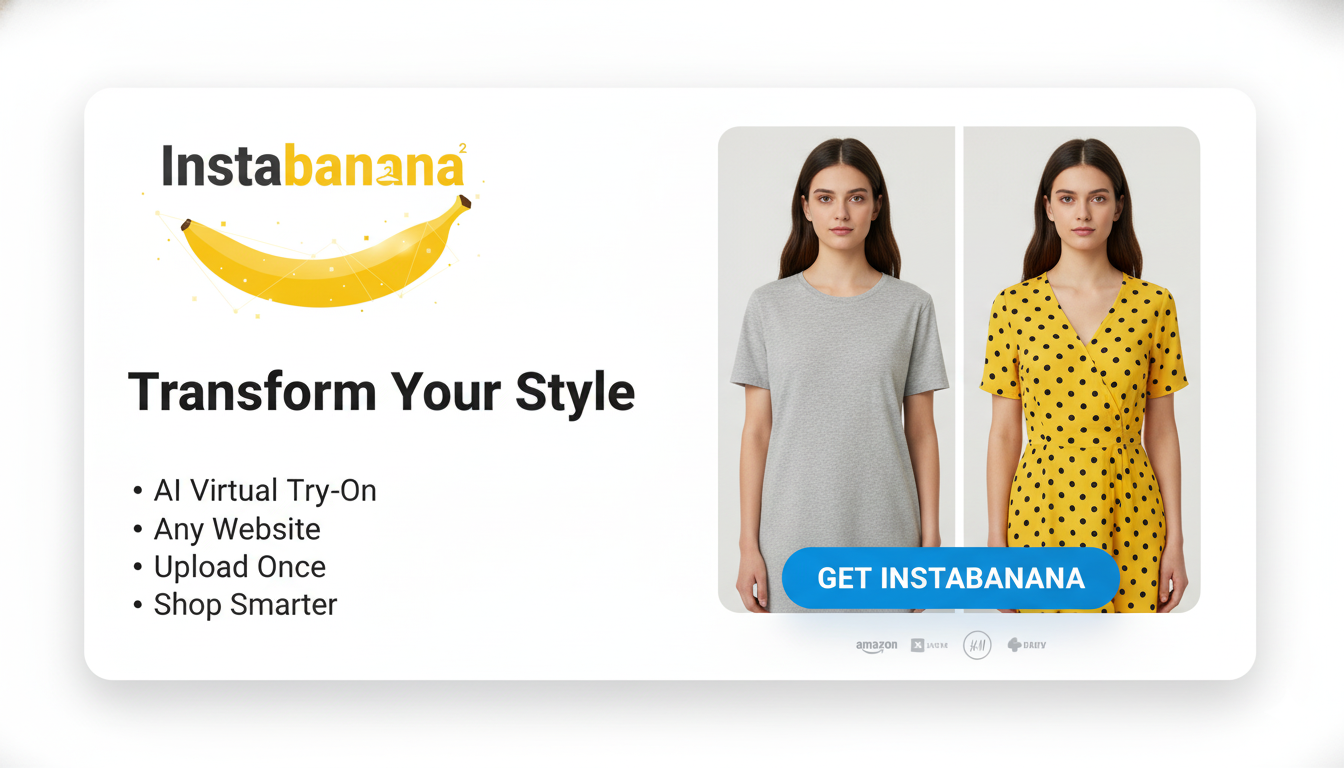
Virtual Try-On Statistics: Data-Driven Insights into AI Fashion Technology Impact
Virtual try-on technology is transforming online shopping, and the numbers tell a compelling story. From conversion rates to return reductions, from market growth to consumer adoption, the statistics surrounding virtual try-on technology reveal its significant impact on the fashion retail industry.
In this comprehensive data-driven guide, we'll explore the most important virtual try-on statistics, market data, consumer behavior insights, and industry impact metrics. These numbers demonstrate why virtual try-on is becoming essential for online fashion retailers and why consumers are increasingly expecting this technology.
Market Size and Growth Statistics
Current Market Size
2023 Market Data:
- Global Market Size: $3.2 billion
- Annual Growth Rate: 25-30%
- Market Segments: Fashion, eyewear, beauty, jewelry, home decor
- Geographic Distribution: North America (40%), Europe (30%), Asia-Pacific (25%), Others (5%)
2024 Market Data:
- Estimated Market Size: $4.1-4.5 billion
- Growth Acceleration: 28-32% annual growth
- Increased Adoption: More retailers implementing virtual try-on
- Technology Improvements: Better AI and AR capabilities
Projected Market Growth
2025 Projections:
- Market Size: $5.5-6.0 billion
- Growth Rate: 30-35% annually
- Key Drivers: AI improvements, AR adoption, consumer demand
2028 Projections:
- Market Size: $12.5 billion
- Compound Annual Growth Rate (CAGR): 28-30%
- Market Maturity: Virtual try-on becomes standard feature
2030 Projections:
- Market Size: $20+ billion
- Market Penetration: 80%+ of online fashion retailers
- Technology Standard: Virtual try-on as standard as product photos
Growth Factors
Technology Factors:
- AI and machine learning improvements
- AR technology advancement
- Mobile device capabilities
- Processing speed improvements
Market Factors:
- Increasing online shopping
- Consumer demand for better experiences
- Retailer need to reduce returns
- Competitive pressure
Consumer Factors:
- Growing consumer expectations
- Increased comfort with technology
- Demand for personalization
- Desire for convenience
Consumer Adoption Statistics
Adoption Rates
Current Adoption:
- Awareness: 68% of online shoppers aware of virtual try-on
- Usage: 42% of online shoppers have used virtual try-on
- Regular Users: 28% use virtual try-on regularly
- First-Time Users: 14% tried virtual try-on for the first time in 2024
Consumer Expectations:
- By 2025: 76% of shoppers expect brands to offer virtual try-on
- Millennials: 82% expect virtual try-on features
- Gen Z: 88% expect virtual try-on features
- Gen X: 65% expect virtual try-on features
- Baby Boomers: 45% expect virtual try-on features
Demographics
Age Demographics:
- 18-24 (Gen Z): 58% have used virtual try-on
- 25-34 (Millennials): 52% have used virtual try-on
- 35-44 (Gen X): 38% have used virtual try-on
- 45-54: 28% have used virtual try-on
- 55+: 18% have used virtual try-on
Gender Demographics:
- Women: 48% have used virtual try-on
- Men: 36% have used virtual try-on
Shopping Frequency:
- Frequent Online Shoppers: 62% have used virtual try-on
- Occasional Online Shoppers: 28% have used virtual try-on
- Rare Online Shoppers: 12% have used virtual try-on
Conversion Rate Statistics
Impact on Sales
Conversion Rate Increases:
- Average Increase: 64% higher conversion rates with virtual try-on
- Fashion Brands: 64% increase in conversion rates
- Eyewear Brands: 72% increase in conversion rates
- Beauty Brands: 58% increase in conversion rates
- Jewelry Brands: 68% increase in conversion rates
3D/AR Content Impact:
- Products with 3D/AR: 94% higher conversion rates
- Products with Virtual Try-On: 64% higher conversion rates
- Products with Regular Photos: Baseline conversion rates
Purchase Decision Speed:
- With Virtual Try-On: 40% faster purchase decisions
- Without Virtual Try-On: Slower, more hesitant decisions
- Confidence Level: 73% more confident with virtual try-on
Sales Impact
Revenue Increases:
- Average Revenue Increase: 25-30% for retailers with virtual try-on
- Top Performers: 40-50% revenue increase
- Early Adopters: 35-45% revenue increase
- Late Adopters: 15-25% revenue increase
Average Order Value:
- With Virtual Try-On: 18% higher average order value
- Multiple Items: 32% more likely to buy multiple items
- Upselling: 24% more likely to add accessories
Return Rate Statistics
Return Reduction
Overall Return Rates:
- Traditional Online Shopping: 30-40% return rate
- With Virtual Try-On: 15-20% return rate
- Reduction: 25-30% reduction in returns
- Best Performers: Up to 40% reduction in returns
Return Reasons (Before Virtual Try-On):
- Item Doesn't Fit: 73% of returns
- Looks Different: 45% of returns
- Wrong Size: 38% of returns
- Style Doesn't Suit: 32% of returns
- Quality Issues: 28% of returns
Return Reasons (With Virtual Try-On):
- Item Doesn't Fit: 35% of returns (52% reduction)
- Looks Different: 18% of returns (60% reduction)
- Wrong Size: 15% of returns (61% reduction)
- Style Doesn't Suit: 12% of returns (63% reduction)
- Quality Issues: 20% of returns (29% reduction)
Cost Savings
Retailer Cost Savings:
- Cost Per Return: $15-30 per return
- Annual Savings (Small Retailer): $50,000-150,000
- Annual Savings (Medium Retailer): $200,000-500,000
- Annual Savings (Large Retailer): $1M-5M+
Consumer Cost Savings:
- Return Shipping: $5-15 per return
- Time Savings: 2-4 hours per return
- Annual Savings: $100-300 per shopper
Customer Satisfaction Statistics
Satisfaction Metrics
Overall Satisfaction:
- With Virtual Try-On: 4.2/5.0 average satisfaction
- Without Virtual Try-On: 3.4/5.0 average satisfaction
- Satisfaction Increase: 24% higher satisfaction
Confidence Levels:
- More Confident: 73% feel more confident with virtual try-on
- Less Hesitant: 68% less hesitant to purchase
- Better Decisions: 81% feel they make better decisions
Shopping Experience:
- More Enjoyable: 76% find shopping more enjoyable
- Less Stressful: 64% find shopping less stressful
- More Convenient: 82% find it more convenient
Customer Retention
Repeat Purchase Rates:
- With Virtual Try-On: 45% repeat purchase rate
- Without Virtual Try-On: 28% repeat purchase rate
- Increase: 61% higher repeat purchase rate
Brand Loyalty:
- More Likely to Return: 58% more likely to shop again
- Recommend to Friends: 72% would recommend to friends
- Brand Preference: 54% prefer brands with virtual try-on
Technology Performance Statistics
Accuracy and Quality
Accuracy Rates:
- Fit Accuracy: 85-95% accuracy
- Color Accuracy: 90-95% accuracy
- Style Accuracy: 88-93% accuracy
- Overall Satisfaction: 87% satisfied with accuracy
Processing Speed:
- Average Processing Time: 10-30 seconds
- Fastest Systems: 5-10 seconds
- User Expectations: Under 30 seconds acceptable
- Future Target: Under 5 seconds
Image Quality:
- High Resolution: 85% use high-resolution images
- Photo Quality Impact: 40% better results with quality photos
- Mobile vs Desktop: 78% use mobile devices
Technology Adoption
Platform Distribution:
- Web Platform: 52% of usage
- Mobile App: 38% of usage
- Browser Extension: 10% of usage
Device Usage:
- Mobile Devices: 68% of virtual try-on sessions
- Desktop/Laptop: 32% of virtual try-on sessions
- Tablet: 8% of virtual try-on sessions
Industry-Specific Statistics
Fashion and Apparel
Fashion Retail Statistics:
- Adoption Rate: 45% of fashion retailers offer virtual try-on
- Conversion Increase: 64% higher conversion rates
- Return Reduction: 30% reduction in returns
- Revenue Increase: 28% revenue increase
Product Categories:
- Tops: 58% of virtual try-on usage
- Dresses: 42% of virtual try-on usage
- Outerwear: 35% of virtual try-on usage
- Bottoms: 28% of virtual try-on usage
Eyewear
Eyewear Statistics:
- Adoption Rate: 62% of eyewear retailers offer virtual try-on
- Conversion Increase: 72% higher conversion rates
- Return Reduction: 35% reduction in returns
- Customer Satisfaction: 4.4/5.0 satisfaction
Beauty and Cosmetics
Beauty Statistics:
- Adoption Rate: 38% of beauty brands offer virtual try-on
- Conversion Increase: 58% higher conversion rates
- Product Categories: Makeup (45%), Skincare (28%), Hair (18%)
Jewelry
Jewelry Statistics:
- Adoption Rate: 32% of jewelry retailers offer virtual try-on
- Conversion Increase: 68% higher conversion rates
- Return Reduction: 28% reduction in returns
Consumer Behavior Statistics
Shopping Patterns
Shopping Frequency:
- More Frequent Shopping: 52% shop more frequently with virtual try-on
- Average Sessions: 3.2 virtual try-on sessions per purchase
- Time Spent: 12-18 minutes per shopping session
- Items Tried: 4.5 items tried per session
Decision Making:
- Faster Decisions: 40% faster purchase decisions
- More Confident: 73% more confident in decisions
- Less Research: 35% less time researching products
- Higher Purchase Intent: 68% higher purchase intent
Social Sharing
Social Engagement:
- Share Results: 28% share virtual try-on results
- Social Media: 42% share on social media
- Friend Consultation: 35% consult friends before purchasing
- Influence: 58% influenced by friend recommendations
Retailer Implementation Statistics
Adoption Rates
Implementation Rates:
- Large Retailers: 58% have implemented virtual try-on
- Medium Retailers: 38% have implemented virtual try-on
- Small Retailers: 22% have implemented virtual try-on
- Planned Implementation: 45% plan to implement in next 12 months
Implementation Success:
- Successful Implementation: 78% consider implementation successful
- ROI Positive: 82% report positive ROI
- Customer Feedback: 4.1/5.0 average customer feedback
- Internal Satisfaction: 4.3/5.0 internal satisfaction
Investment and ROI
Investment Levels:
- Average Investment: $50,000-200,000 for implementation
- Small Retailers: $20,000-50,000
- Medium Retailers: $50,000-150,000
- Large Retailers: $150,000-500,000+
ROI Metrics:
- Average ROI: 3-5x return on investment
- Payback Period: 6-12 months
- Revenue Increase: 25-30% average revenue increase
- Cost Savings: $100,000-500,000+ annual savings
Regional Statistics
Geographic Distribution
North America:
- Market Share: 40% of global market
- Adoption Rate: 52% of retailers
- Consumer Usage: 48% of consumers
- Growth Rate: 28% annually
Europe:
- Market Share: 30% of global market
- Adoption Rate: 45% of retailers
- Consumer Usage: 42% of consumers
- Growth Rate: 32% annually
Asia-Pacific:
- Market Share: 25% of global market
- Adoption Rate: 38% of retailers
- Consumer Usage: 35% of consumers
- Growth Rate: 35% annually
Other Regions:
- Market Share: 5% of global market
- Adoption Rate: 25% of retailers
- Consumer Usage: 22% of consumers
- Growth Rate: 30% annually
Future Projections
Technology Evolution
2025 Projections:
- Market Size: $5.5-6.0 billion
- Adoption Rate: 65% of retailers
- Consumer Usage: 58% of consumers
- Technology: Improved AI and AR
2028 Projections:
- Market Size: $12.5 billion
- Adoption Rate: 85% of retailers
- Consumer Usage: 75% of consumers
- Technology: Advanced AR and 3D scanning
2030 Projections:
- Market Size: $20+ billion
- Adoption Rate: 95% of retailers
- Consumer Usage: 85% of consumers
- Technology: Full AR integration, AI styling
Consumer Expectations
Future Expectations:
- 2025: 76% expect virtual try-on
- 2027: 85% expect virtual try-on
- 2030: 95% expect virtual try-on
- Standard Feature: Virtual try-on becomes as standard as product photos
Key Takeaways from Statistics
For Retailers
Business Impact:
- ✅ 64% Conversion Increase: Virtual try-on significantly boosts sales
- ✅ 30% Return Reduction: Dramatically reduces return costs
- ✅ 25-30% Revenue Increase: Substantial revenue growth
- ✅ Positive ROI: 3-5x return on investment
- ✅ Customer Satisfaction: 24% higher satisfaction
Implementation Benefits:
- ✅ Competitive Advantage: Early adopters gain market share
- ✅ Cost Savings: $100,000-500,000+ annual savings
- ✅ Customer Retention: 61% higher repeat purchase rate
- ✅ Brand Loyalty: 54% prefer brands with virtual try-on
For Consumers
Shopping Benefits:
- ✅ Better Decisions: 81% feel they make better decisions
- ✅ More Confidence: 73% more confident in purchases
- ✅ Time Savings: 40% faster purchase decisions
- ✅ Cost Savings: $100-300 annual savings
- ✅ Better Experience: 76% find shopping more enjoyable
Adoption Trends:
- ✅ Growing Usage: 42% have used virtual try-on
- ✅ High Expectations: 76% expect virtual try-on by 2025
- ✅ Satisfaction: 4.2/5.0 average satisfaction
- ✅ Recommendation: 72% would recommend to friends
Conclusion
The statistics surrounding virtual try-on technology paint a clear picture: this technology is not just a trend—it's a fundamental shift in how we shop online. With 64% conversion increases, 30% return reductions, and a market growing to $12.5 billion by 2028, virtual try-on is becoming essential for online fashion retailers.
Key Statistics Summary:
- 📊 Market Growth: $3.2B (2023) → $12.5B (2028) → $20B+ (2030)
- 📈 Conversion Rates: 64% increase with virtual try-on
- 📉 Return Rates: 25-30% reduction (from 30-40% to 15-20%)
- 💰 Revenue Impact: 25-30% revenue increase for retailers
- 😊 Customer Satisfaction: 24% higher satisfaction (4.2/5.0)
- 👥 Consumer Adoption: 42% have used, 76% expect by 2025
- ⚡ Processing Speed: 10-30 seconds average
- 🎯 ROI: 3-5x return on investment
The Bottom Line: Virtual try-on technology delivers measurable, significant benefits for both retailers and consumers. The data shows clear ROI, improved customer satisfaction, and strong market growth. For retailers, implementing virtual try-on is becoming a competitive necessity. For consumers, it's becoming an expected feature.
Ready to be part of these statistics? Start using InstaBanana's virtual try-on and experience the technology that's driving these impressive numbers!
Related Resources
- How to Use InstaBanana Virtual Try-On: Complete Step-by-Step Guide
- 10 Benefits of Virtual Try-On: Why AI Fashion Technology is Revolutionizing Online Shopping
- How Virtual Try-On Reduces Returns: Complete Guide to Smarter Online Shopping
Keywords for SEO: virtual try-on statistics, virtual try-on data, AI fashion statistics, online shopping statistics, virtual try-on market, fashion tech data, e-commerce statistics, virtual fitting statistics, shopping technology data, virtual try-on metrics, virtual try-on market size, virtual try-on conversion rates, virtual try-on return rates, fashion technology statistics, virtual try-on growth
Continue Reading
.png)
Virtual Try-On and Sustainable Fashion: How AI Technology Reduces Environmental Impact
Discover how virtual try-on technology promotes sustainable fashion by reducing returns, minimizing waste, and supporting eco-friendly shopping. Learn about the environmental benefits of AI fashion technology.
Virtual Try-On for All Body Types: How AI Fashion Technology Promotes Inclusive Shopping
Discover how virtual try-on technology works for all body types, sizes, and shapes. Learn how AI fashion technology promotes inclusive shopping and helps everyone find their perfect fit.
Virtual Try-On vs Traditional Shopping: Complete Comparison Guide to Help You Choose the Best Shopping Method
Compare virtual try-on and traditional shopping side-by-side. Discover the pros and cons of each method, when to use each, and how to get the best shopping experience.
Ready to Transform Your Shopping?
Try on thousands of outfits instantly with AI-powered virtual fitting. See how you look before you buy.
Start Virtual Try-On